- Home
-
Products
Foam concrete block equipmentSelf-insulated block equipment
- Self-Insulating Block Cutting Machine
- Homogeneous Self-Insulating Block Production Equipment
- EPS Self-Insulating Block Production Equipment
- Composite Sandwich Self-insulating Block Production Equipment
- Polystyrene Granule Self-Insulating Block Production Equipment
- Homogeneous Panel Production Equipment
Lightweight partition wall board equipment- Partition Panel Cutting Machine
- Waterproof ALC Wall Panel Production Equipment
- Lightweight Partition Panel Production Equipment
- EPS Beads Partition Panel Production Equipment
- Foamed Cement Partition Panel Production Equipment
- Cutting Type Hollow Wall Panel Production Equipment
- Foam Concrete Wall Panel Production Equipment
- High-Precision Waterproof Partition Panel Production Equipment
- Permanent Formwork Production Line
- Fully Automatic Horizontal Wall Panel Production Line
Ceramic block equipmentCeramic wall panel equipment -
Solutions
CLC Solutions
- Foam Concrete Block Production Line Solutions
- Self-Insulating Block Production Line Solution
- Ceramsite Wall Panel Production Line Solution
- Ceramsite Block Production Line Solution
- Lightweight Partition Panel Production Line Solution
- Industrial Waste Slag to Brick and Solid Waste Utilization Solution
- Construction and Demolition Waste to Brick and Comprehensive Utilization Solution
- Fly Ash Brick Manufacturing Solution
- Tailings-to-Bricks Solution
- Cases
- About Us
- Blog
- Contact Us


Menu
Foam concrete block equipment
Self-insulated block equipment
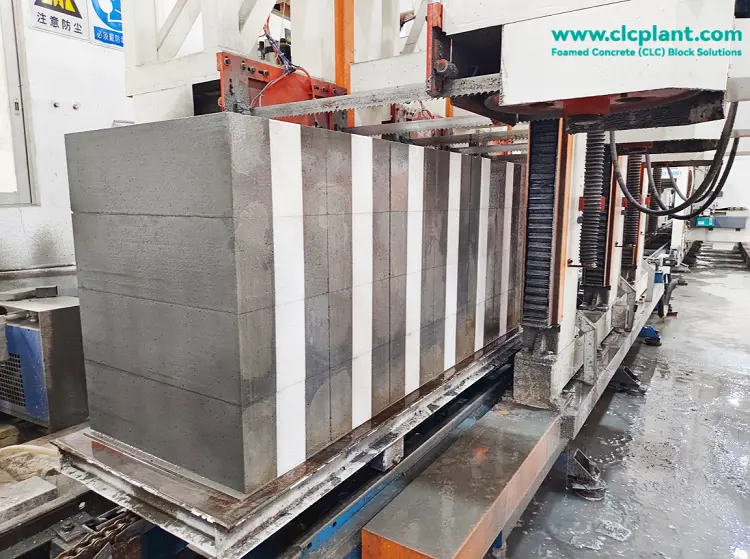
- Self-Insulating Block Cutting Machine
- Homogeneous Self-Insulating Block Production Equipment
- EPS Self-Insulating Block Production Equipment
- Composite Sandwich Self-insulating Block Production Equipment
- Polystyrene Granule Self-Insulating Block Production Equipment
- Homogeneous Panel Production Equipment
Lightweight partition wall board equipment
- Partition Panel Cutting Machine
- Waterproof ALC Wall Panel Production Equipment
- Lightweight Partition Panel Production Equipment
- EPS Beads Partition Panel Production Equipment
- Foamed Cement Partition Panel Production Equipment
- Cutting Type Hollow Wall Panel Production Equipment
- Foam Concrete Wall Panel Production Equipment
- High-Precision Waterproof Partition Panel Production Equipment
- Permanent Formwork Production Line
- Fully Automatic Horizontal Wall Panel Production Line
Ceramic block equipment
Ceramic wall panel equipment
CLC Solutions
- Foam Concrete Block Production Line Solutions
- Self-Insulating Block Production Line Solution
- Ceramsite Wall Panel Production Line Solution
- Ceramsite Block Production Line Solution
- Lightweight Partition Panel Production Line Solution
- Industrial Waste Slag to Brick and Solid Waste Utilization Solution
- Construction and Demolition Waste to Brick and Comprehensive Utilization Solution
- Fly Ash Brick Manufacturing Solution
- Tailings-to-Bricks Solution
Trending Products
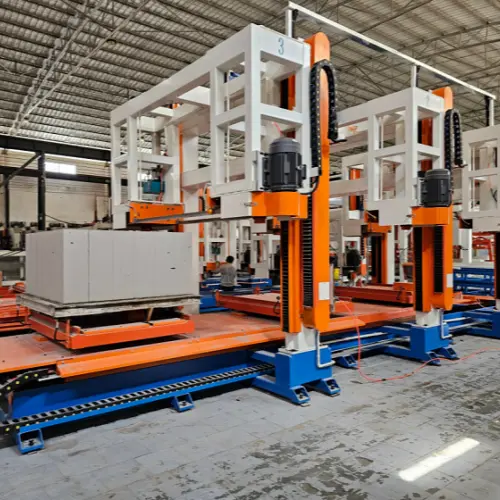
Block Cutting Machine
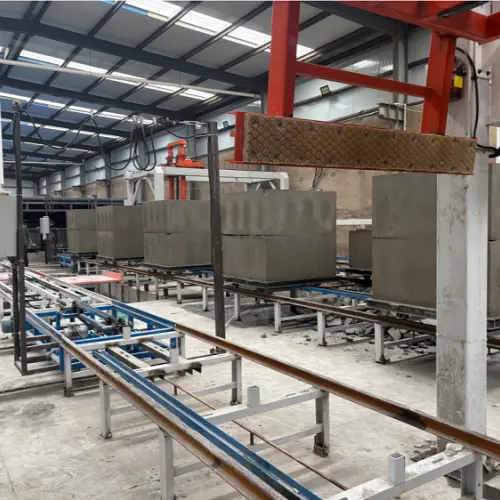
CLC Block Making Equipment
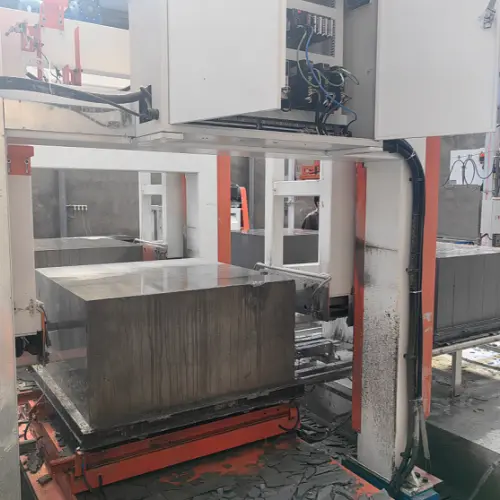
Foam Concrete Block Equipment
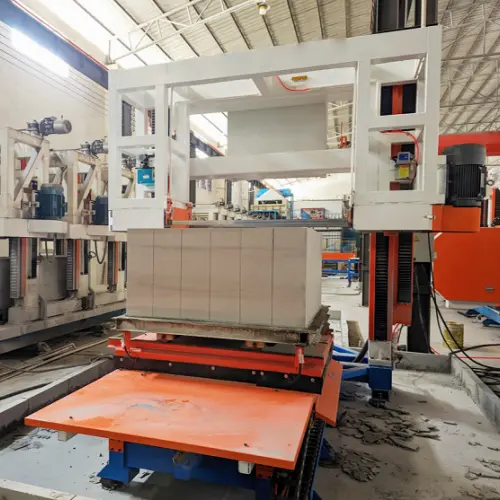
Lightweight Brick Equipment
High Precision Block Equipment